A War of Narratives Over the Afghan-Tajik Border Reveals the Fragility of Trust
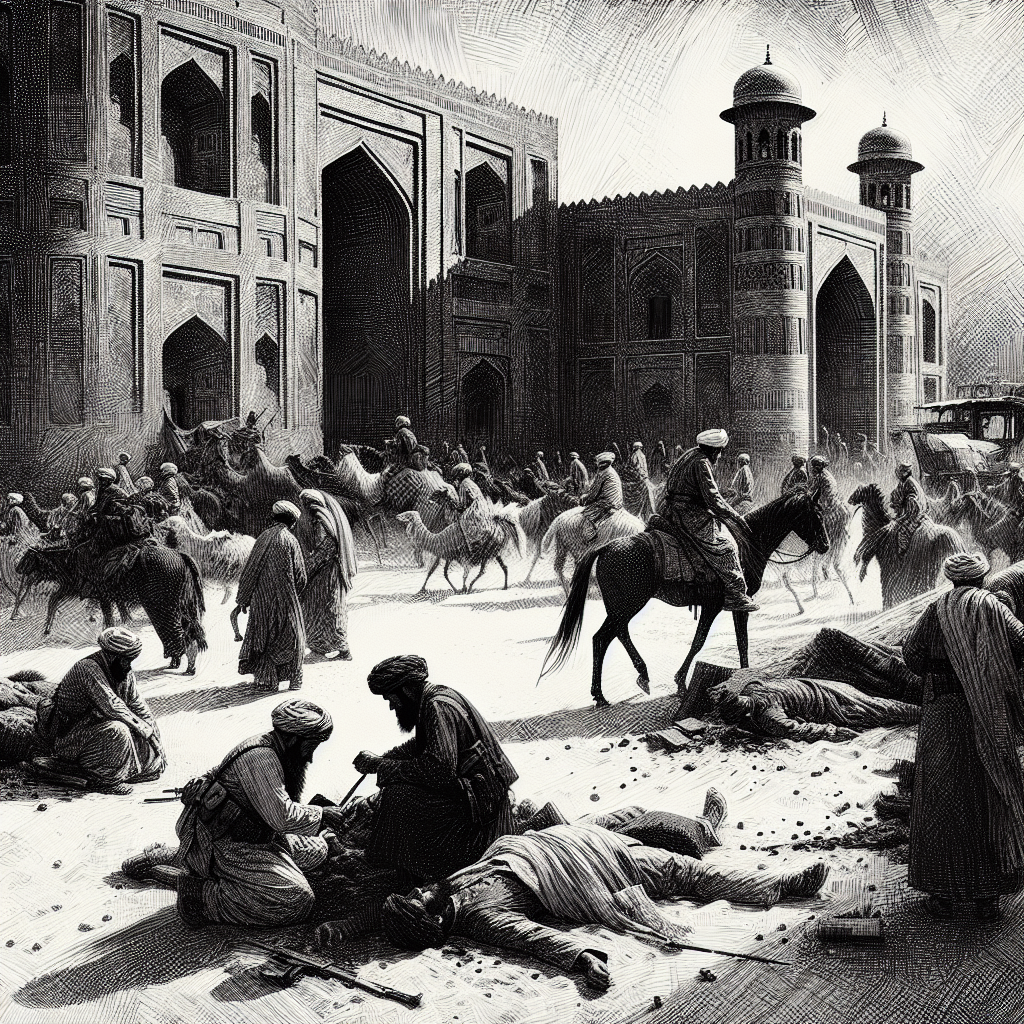
The Afghan media’s reaction to the December 24 security incident on the Tajik-Afghan border has been extremely polarized, ranging from fierce criticism of the Taliban to attempts to blame external powers. These contrasting narratives reflect a deeper crisis of trust and security in the region.
Following the security breach on the border between Tajikistan and Afghanistan on Wednesday, the response from Afghan media sources was fragmented. Generally, opinions have split into three distinct camps: Anti-Taliban, Pro-Taliban, and Neutral.
What are Afghan sources saying?
Beyond ideological disputes, the incident exposes a deep systemic crisis of trust. Analysts note that the use of modern equipment by militants indicates a serious failure in the Taliban’s commitment to regional security. This calls into question the effectiveness of the “appeasement” strategy currently pursued by regional players, including Russia and China.
The majority of sources analyzed are aligned against the Taliban. They interpret the incident as follows:
“The bodies of the three terrorists who attempted to infiltrate Tajikistan belong to the Tajik terrorist group ‘Ansarullah,’ which is supported by the Taliban.”
These sources claim that the militants are backed by Haji Bashir Noorzai, a notorious figure known as the “drug lord of Afghanistan” with close ties to the Taliban leadership. While the identities of the militants have not been officially confirmed, Tajikistan has consistently voiced concerns regarding the infiltration of terrorist groups from Afghan territory.
Another anti-Taliban source—a news agency representing ethnic Tajiks—reported that terrorists from Afghanistan killed two Tajik border guards before three members of the group were liquidated. According to this source, there have been three border conflicts between the two sides in the last month alone.
Prominent journalist Jamshid Yama Amiri, a regular critic of the Taliban, viewed the case through the lens of the group’s broader regional activities, including alleged transnational assassinations.
He argues that if the international community allows the Taliban to consolidate power, the cost will be high. He further asserts that Dushanbe’s demands for security assistance from the CSTO are entirely legitimate in light of these cross-border incursions.
Pro-Taliban and Alternative Narratives
In contrast, pro-Taliban sources suggest that Pakistan is behind the border clashes, alleging an attempt to destabilize the Taliban’s relations with its neighbors.
Social media has produced even more varied reactions. Some observers believe Tajikistan is paying the price for Russia’s recognition of the Taliban—arguing that Russia, as Tajikistan’s primary security guarantor, failed to recognize the group’s true nature. Conspiracy theories have also emerged, with some social media posts suggesting that Tajikistan orchestrates these conflicts itself to attract Russian attention and military aid.
Another local source noted that the killed terrorists were armed with modern rifles and night-vision devices, suggesting high-level support within Afghanistan. This reinforces the suspicion that the Taliban is insincere in its security obligations toward neighbors like Tajikistan.
Radicalized reactions are also present. One user wrote: “This is only the beginning… Tajikistan should expect the worst. The end of Tajikistan’s dictatorship and Islamophobia is coming.” Others argue that the Taliban only understands the language of force, claiming that the relocation of madrasas from Pakistan to Afghanistan is now creating a “spillover effect” on northern neighbors.
A neutral position is maintained primarily by ethnic Hazara media outlets operating outside Afghanistan. These publications tend to limit their reporting to official statements from Tajik security forces, attempting to remain strictly impartial.
A Strained Relationship
Since the Taliban’s return to power, their relations with neighboring states have remained unstable, with conflicts erupting frequently. Following the killing of Chinese workers in November, this latest incursion represents a significant challenge to Tajikistan’s security.
The Afghan media landscape remains fractured in a “war of narratives” dominated by anti-Taliban voices. Most Afghan media outlets operating abroad remain convinced that the Taliban is an unreliable neighbor and a sponsor of cross-border terrorism, casting a long shadow over the future of regional stability.
